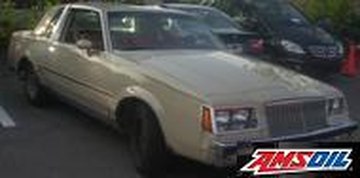
Lubrication Maintenance for the 1983 Buick REGAL 5.7L Diesel
Maintaining a diesel engine requires a disciplined approach to fluid management and component inspection. For owners of a 1983 Buick REGAL equipped with the 5.7L diesel engine, understanding the nuances of lubrication is essential for long-term engine health. Because diesel engines operate under different mechanical stresses than gasoline counterparts, selecting the correct products and monitoring system integrity are primary maintenance priorities.
Why Basic Vehicle Identity Is Not Enough for Product Matching
A common mistake in automotive maintenance is assuming that knowing the year, make, and model provides sufficient information to select the correct engine oil. While these details narrow down the vehicle, they do not account for the specific requirements of the engine architecture. In this case, the "N" diesel designation is a critical identifier that distinguishes this 5.7L powerplant from other engines found in similar Buick models of the same era.
Relying solely on "1983 Buick Regal" could lead an owner to purchase lubricants intended for gasoline engines, which may lack the specific additive packages necessary for diesel combustion environments. Furthermore, engine variations within a single model year mean that internal clearances and material compositions can differ significantly. To ensure compatibility, you must always match your lubricant to the specific engine code and application details provided in the technical data on this page.
Understanding Oil Label Details and Certifications
Once you have identified the correct application requirements, the next step is interpreting the information found on the oil container itself. Simply finding a bottle that looks appropriate is insufficient; you must verify specific technical markers to ensure the lubricant can handle the engine's operating environment.
The most important detail to look for is the API (American Petroleum Institute) service category. This classification indicates the level of performance and the specific additive chemistry present in the oil. For diesel applications, these categories are distinct from gasoline ratings. You should verify that the label explicitly matches the service requirements intended for this engine type. Additionally, pay attention to the viscosity grade listed on the front of the bottle. While many modern oils are available, you must match the engine oil to the application-specific viscosity information shown above on this page rather than choosing a grade based on general automotive trends or similar vehicles.
The matched listings provided on this webpage serve as your practical next step. By using these application-specific details, you can compare suitable options that have been verified for this exact 5.7L diesel configuration. This is far more reliable than assuming interchangeability from a different year or a similar engine displacement.
Monitoring Engine Condition and Fluid Integrity
Effective maintenance involves more than just periodic fluid changes; it requires active observation of the engine's condition. For an older vehicle, establishing a baseline of how the engine behaves under normal operating conditions is vital. This allows you to recognize when something has changed.
Regularly inspect the area around the engine for any signs of seepage or leakage. While aging gaskets and seals may show minor traces of fluid over time, any sudden increase in moisture or pooling should be investigated. It is also useful to monitor the appearance of the oil during service. Significant changes in color, consistency, or the presence of unusual particulates can be associated with various internal conditions and warrant a professional inspection.
If you notice unusual mechanical noises or changes in how the engine responds during startup, these symptoms should be addressed promptly. Because many different factors can cause similar symptoms, an observation of a new noise or a change in performance is not a definitive diagnosis but rather a signal that the lubrication system or other engine components require closer examination.
Buying Engine Oil for your 1983 Buick REGAL 5.7L
When you are ready to purchase new lubricant, prioritize accuracy over convenience. Avoid the temptation to grab whatever oil is most readily available or widely marketed for general use. Instead, use the application-specific engine-oil information and matching oil products displayed above on this page as your primary guide.
Check the product labels carefully to ensure they align with the viscosity and service requirements listed in the technical specifications for this 5.7L diesel engine. If you are considering specialized formulations, such as high-mileage oils that include seal-conditioning additives, ensure they are appropriate for your specific engine's needs. By following the matched listings on this page, you can select a product that is specifically suited to the requirements of your 1983 Buick REGAL.